The global healthcare workforce operates under a strict, standardized umbrella of quality assurance. When a medical institution in Tokyo, London, or Tel Aviv hires a healthcare assistant, they are not merely looking for general household support; they are employing an individual who can systematically execute clinical protocols. For vocational aspirants pursuing professional pathways from the Kathmandu Valley, understanding the formal frameworks that govern their education is the first step toward career success.
In Nepal, vocational training is no longer an unregulated sector where individual academies write arbitrary lesson plans. The modern landscape is anchored by a structured regulatory framework that translates complex clinical actions into measurable steps. Mastering these baseline frameworks is essential for anyone looking to enroll in high-quality caregiver training in nepal that carries authenticated weight both domestically and before foreign immigration authorities.
What Are National Competency Standards in Healthcare?
A national competency standard is an official, government-endorsed blueprint that outlines the exact knowledge, technical skills, and workplace behaviors required to perform a specific profession safely and effectively. Developed by state bodies like the Council for Technical Education and Vocational Training (CTEVT), these standards serve as a strict quality control matrix for every registered caregiver training center kathmandu hosts.
Rather than relying on abstract, theoretical lectures, a competency-based curriculum divides the educational journey into functional performance units. For example, instead of simply reading about "patient hygiene," a trainee must demonstrate the physical capability to independently perform a complete, safe bed-bath on a restricted-mobility patient while maintaining strict infection control protocols. This shift from passive learning to active, measurable performance ensures that every graduate possesses true clinical competence rather than just a piece of paper.
The Core Functional Pillars of Caregiver Training in Nepal Kathmandu
The state-approved occupational profiles for certified healthcare assistants are carefully mapped across multiple core competencies. Any premium academy facilitating caregiver training in nepal kathmandu must systematically guide students through these foundational operational units:
1. Clinical Diagnostic and Patient Monitoring Protocols
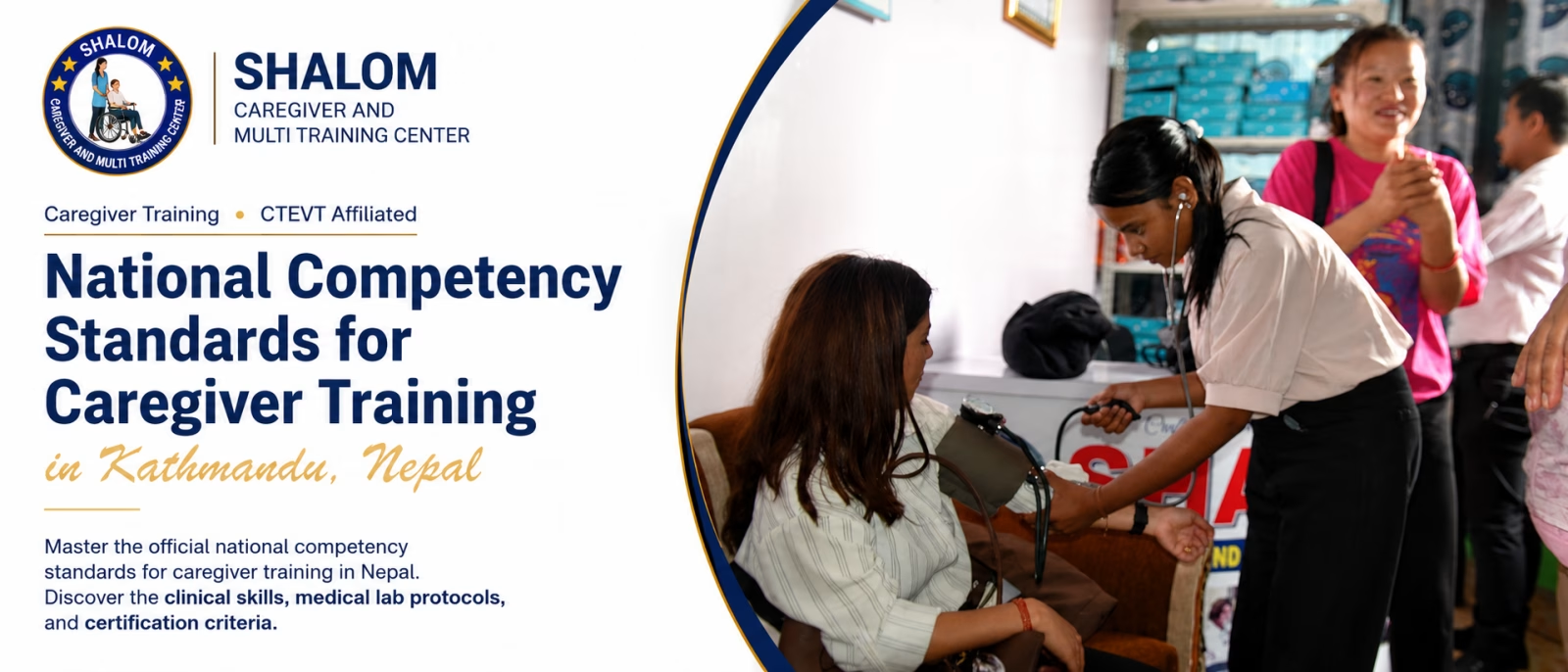
Trainees are comprehensively evaluated on their manual precision when monitoring a patient’s vital signs. This goes beyond reading a digital screen; students must master the physical mechanics of using manual sphygmomanometers for blood pressure tracking, counting respiratory cycles undetected by the patient, locating and analyzing radial pulses, and using glucometers for glycemic control. Accurate documentation and digital charting are heavily emphasized, training students to immediately identify and report physiological anomalies that signal medical emergencies.
2. Advanced Mobility and Patient Transfer Mechanics
A significant portion of long-term care involves assisting individuals with limited structural mobility. The national standards enforce strict ergonomic guidelines to protect both the patient and the healthcare worker from physical strain or musculoskeletal injury. Students spend extensive hours in simulation labs practicing the mechanics of log-rolling bedridden individuals to prevent pressure ulcers (bedsores), executing safe pivot transfers from beds to wheelchairs, and correctly operating specialized mechanical assistive devices such as patient hoists, slide sheets, and quad-canes.
3. Comprehensive Infection Control and Bio-Medical Safety
Maintaining an aseptic environment is a crucial standard across all modern clinical settings. Caregiving students must master the precise stages of the chain of infection, chemical disinfection procedures, and universal precautions. Practical testing includes the flawless execution of surgical hand-washing routines, the exact sequence for donning and doffing Personal Protective Equipment (PPE), the sterile management of soiled linen, and the legal segregation of sharp bio-medical waste.
The Role of Clinical Labs and High-Fidelity Simulation
A textbook can describe a medical procedure, but it cannot build the sensory awareness and fine motor skills required to perform it on a fragile human being. This is why national competency guidelines mandate that a certified training program must allocate the vast majority of its curriculum hours to hands-on laboratory simulation.
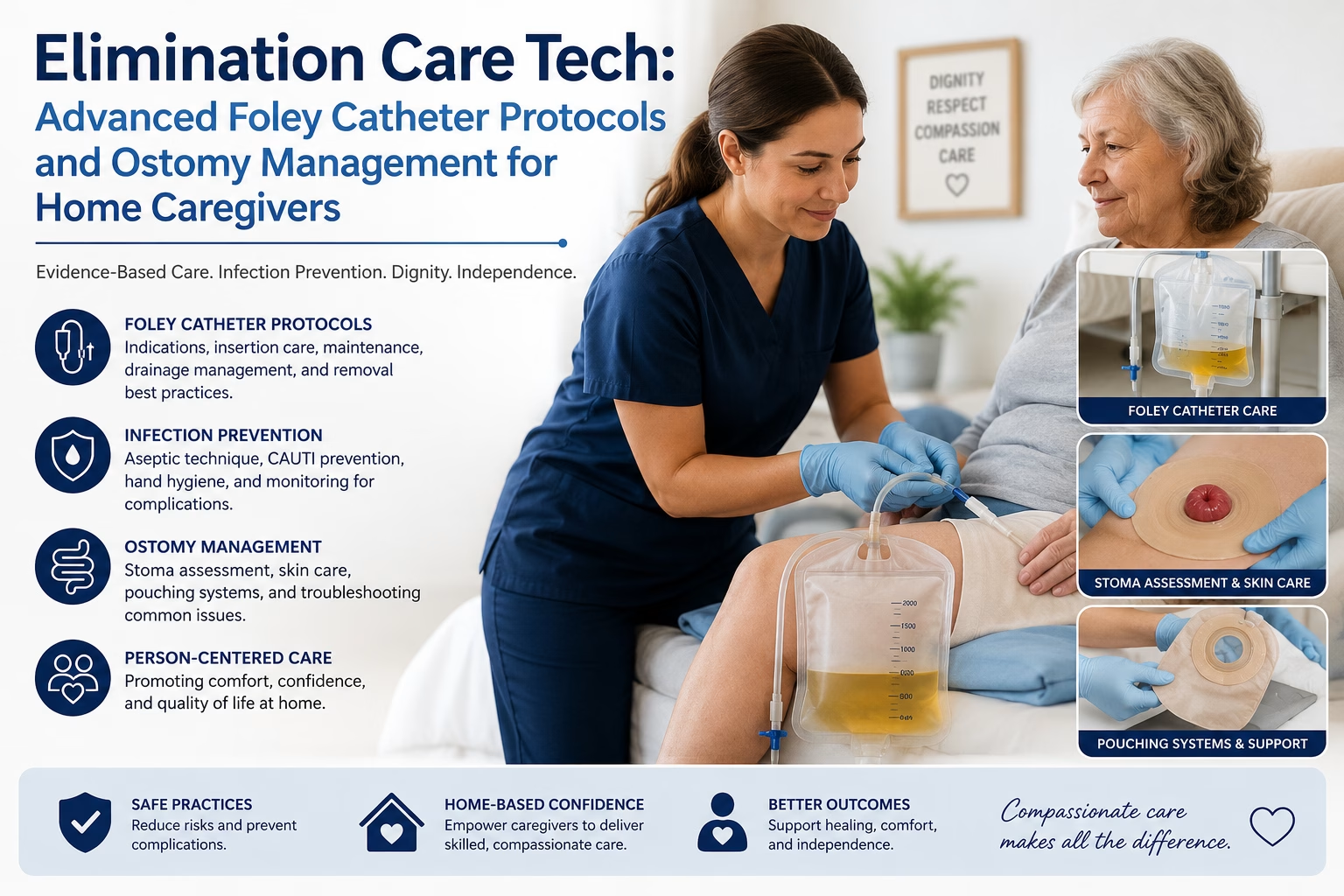
When investigating institutional options, choosing a center that houses high-fidelity medical simulation labs is non-negotiable. These specialized environments feature medical-grade anatomical mannequins, operational clinical tools, and mock patient wards. Training in these settings allows students to practice complex procedures—such as managing Ryle’s tube feeding systems, maintaining urinary catheters, and applying sterile wound dressings—repeatedly in a controlled space, building the necessary confidence and muscle memory before entering an actual hospital or home ICU environment.
How Competency Standards Fuel International Visa Audits
For thousands of Nepalese students, pursuing a professional caregiving education is a strategic stepping stone toward international career paths. Foreign healthcare systems maintain zero tolerance for unverified or subpar vocational training. During visa evaluations and compliance audits, immigration ministries evaluate your credentials against recognized national benchmarks.
The Japan Specified Skilled Worker (SSW/Kaigo) Metric
To secure a technical working visa for Japan's elderly care sector, candidates must pass the rigorous computer-based Prometric exams. These evaluations test highly specific scenarios based on standard care principles, dementia psychology, and interactive safety protocols. Enrolling in a structured program that follows the national guidelines ensures that your daily mock exams directly match the official Japanese evaluation rubrics, substantially increasing your chances of passing on your first attempt.
Western Healthcare Integration (UK, Canada, and Europe)
Western health authorities require explicit verification of individual practical competencies. When an international recruiter or nursing board evaluates an application from Nepal, they look for documented evidence of structured clinical hours. A diploma that adheres to the state framework provides clear proof that the applicant has met these rigorous requirements, allowing their credentials to move smoothly through international background verification pipelines.
Evaluating the Caregiver Training Price in Nepal
As you plan your educational path, it is important to analyze the typical caregiver training price in nepal against the quality of the training infrastructure provided. Within the Kathmandu Valley, institutional fees for comprehensive, long-form courses generally range from NPR 40,000 to NPR 50,000.
It is important to remember that looking for the cheapest option can often put your future at risk. Low-cost, unaccredited schools frequently cut corners by limiting your hands-on lab hours, using outdated or broken medical equipment, and employing unqualified instructors. Investing your resources in a fully recognized center ensures you receive extensive simulation practice, high-quality reference manuals, and direct mentoring from registered medical professionals, making it a far more valuable and secure choice for your professional future.
Why Shalom Caregivers Stands as the Industry Leader
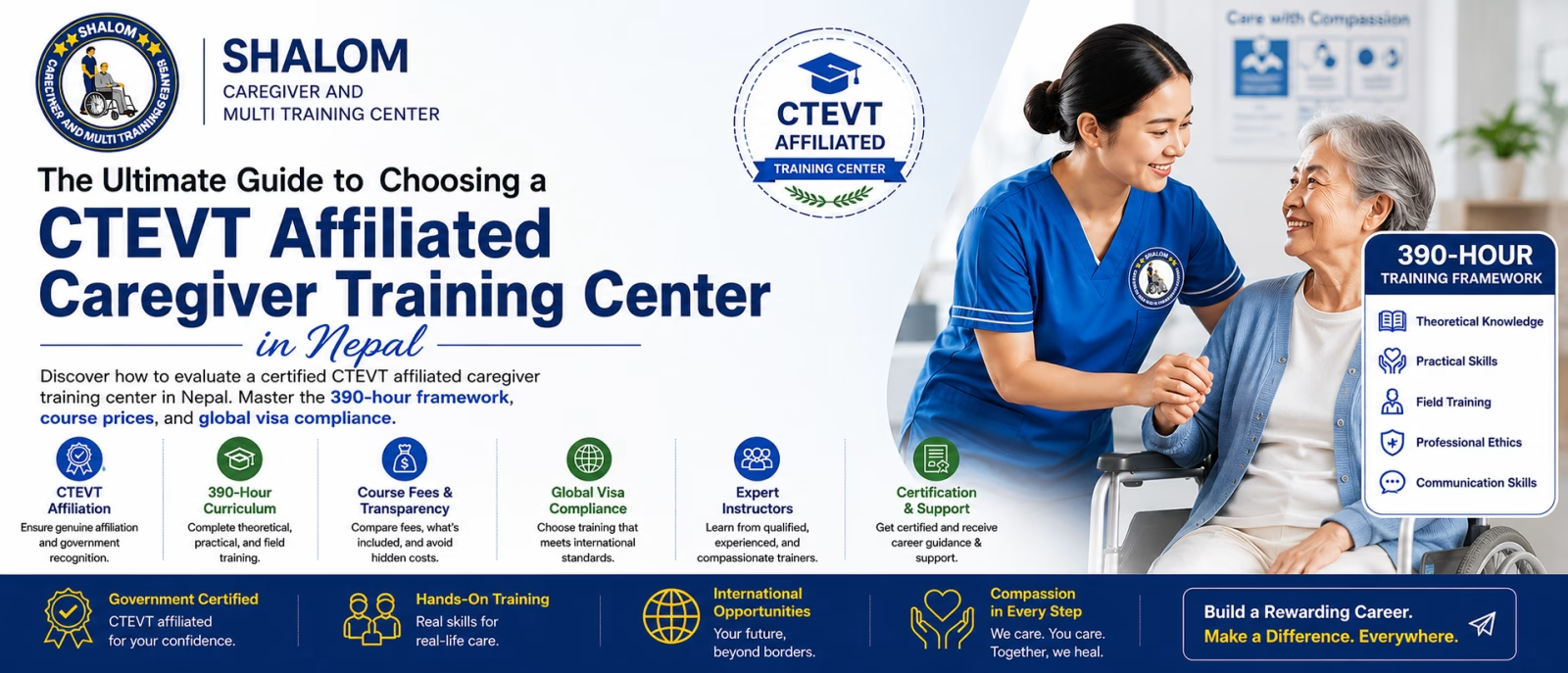
For students demanding an uncompromising standard of educational excellence, Shalom Caregivers And Multi Training Center represents the pinnacle of professional vocational instruction. Centrally located at Adwait Marg, Purano Bus Park Road, Kathmandu, our campus is designed from the ground up to cultivate world-class healthcare workers.
We blend rigorous national frameworks with advanced international standardizations. Featuring cutting-edge simulation laboratories and a dedicated faculty of registered nursing experts, our students gain true clinical confidence. To provide our graduates with absolute professional security, every single certificate we issue features an advanced, tamper-proof QR code for instant worldwide digital verification. This allows foreign employers and immigration boards to instantly confirm your transcripts, practical lab hours, and graduation status, eliminating processing delays and securely launching your global healthcare career.
Next Steps for Aspiring Healthcare Professionals:
- To compare our specialized training programs and review shift structures, visit our comprehensive Main Courses Hub.
- For a detailed breakdown of our government-aligned curriculum, explore the specialized CTEVT 390 Hours Caregiver Course landing page.