Handling medical drainage bags requires absolute hygiene and correct positioning. We break down urine bag tracking, bag emptying, and skin protection steps.
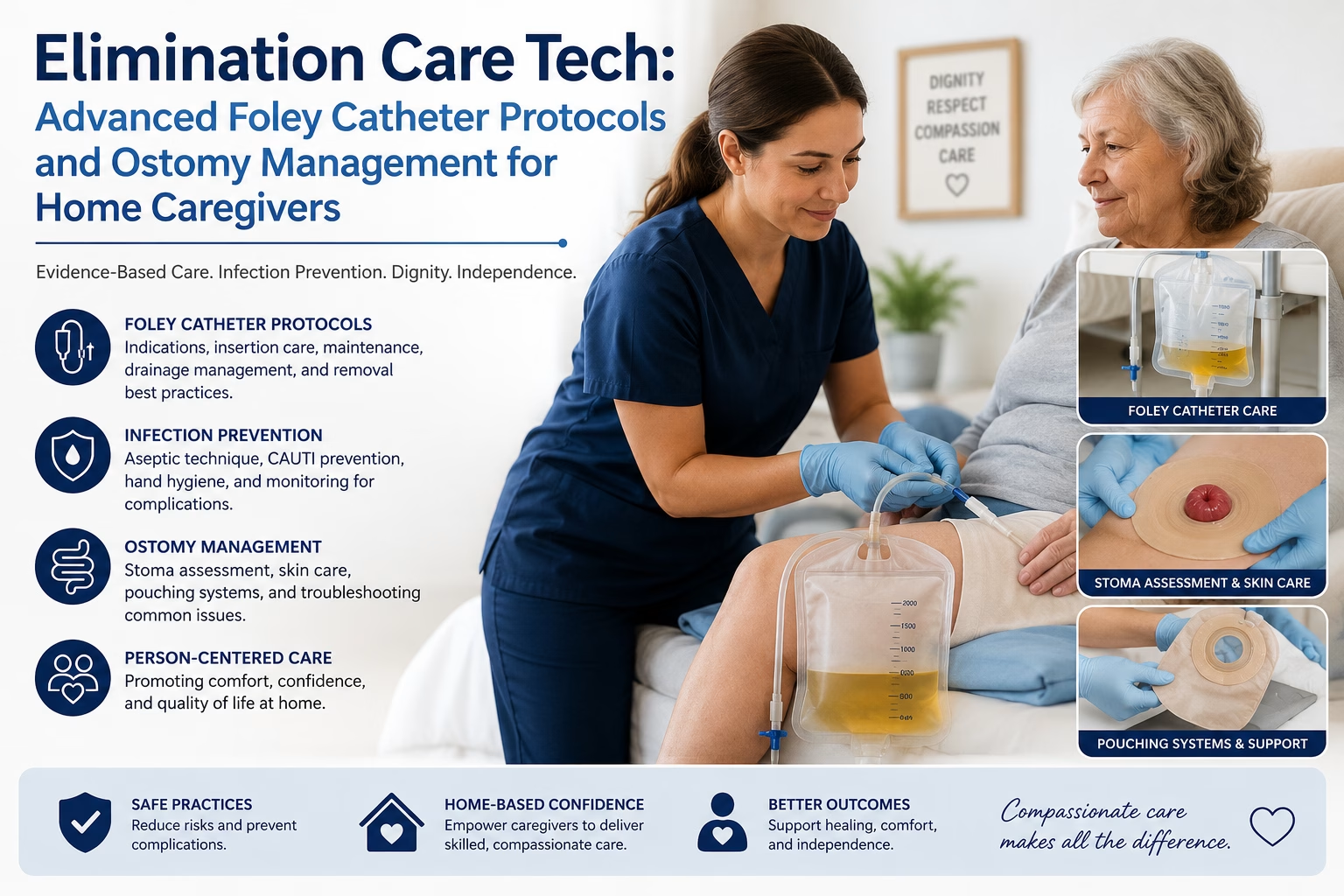
Managing an older patient's elimination machinery at home is a highly technical task that leaves absolutely no room for messy mistakes. When a senior cannot pee on their own, or a major bowel surgery removes a part of their gut, they come home with active drainage bags hooked to their body. Trying to handle these sensitive medical lines without real practice is a fast way to rip internal tissues or push a dangerous infection straight into their blood. Making a mistake with these steps leads to high fevers, terrible bladder cramps, or raw skin burns. Learning to manage these devices safely requires entering a registered caregiver training center right away. Taking the time to compare the actual 3 months caregiver course price in nepal against available laboratory simulation resources is the only smart way to make sure you get enough hands-on clinical runtime to keep a bedbound patient completely safe.
The two main systems you will see daily are indwelling Foley catheters, which drain urine from the bladder using a clear plastic tube, and ostomy bags, which catch solid stool from a hole in the belly called a stoma. Both systems require clean hands, a good understanding of gravity drainage physics, and a sharp eye for early signs of skin breakdown. A single slip-up with these details causes severe complications fast.
Preventing Catheter-Associated Urinary Tract Infections (CAUTIs)
An indwelling catheter creates a wide open highway for bacteria to crawl right up into the patient's kidneys. If you let the drainage system get contaminated, the senior can get dangerously sick within a couple of days. You must enforce three absolute placement rules on every shift:
First, run a strict bag position check. The urine collection bag must always stay hooked down below the level of the patient's bladder. Never rest the plastic bag on the floor where it can pick up floor dirt, and never lift it up onto the bed sheets when you roll the patient over. If you raise the bag higher than their hips, dirty urine flows straight backward right into the bladder cavity. That backflow sparks an immediate infection. Keep the line running down in a straight, gentle slope with no kinks or loops.
Second, run a daily anchors and securement check. The thin silicone tube cannot be left to dangle loosely or yank against the patient’s inner thigh. Use a specialized catheter strap to pin the line firmly to their skin. If the tube gets pulled hard when the senior moves in bed, the balloon holding the line inside the bladder will rip through the raw internal tissue, causing immediate bleeding and intense pain.
Third, keep the drain valve sterile. When you open the bottom valve to empty out the collection bag into a measuring jug, never let the plastic drainage tip touch the edge of the container, the floor, or your own clothing. Wipe the tip down thoroughly with a fresh 70% isopropyl alcohol swab before and after you shut the valve gate to kill any lurking bacteria blocks.
Ostomy Bag Clearance and Stoma Skin Maintenance
An ostomy bag collects acidic waste straight from the intestine before it burns the body. Stool coming out of a colostomy or ileostomy is incredibly harsh on human skin. If the plastic plate leaks and lets that fluid sit against the bare belly skin, the tissue will blister and bleed within a few hours. Once the skin gets raw and wet, it becomes impossible to get a new bag to stick down securely.
Empty the bag the second it gets one-third full. Do not wait for it to get heavy and packed. A heavy bag drags the sticky plate right off the skin, causing a huge mess and tearing the skin layer off. Unclip the bottom tail, drain the waste into the toilet bowl, and clean the inner plastic lip with a dry paper towel before rolling the seal back up tight.
When changing the bag, peel the adhesive plate off gently while pressing down on the skin around it to stop tearing. Wash the stoma area using plain warm water and soft cloths. Skip all scented body soaps, wet wipes, and alcohol prep squares. Those products leave oily layers or dry out the area, which stops the next bag from sealing down properly. The stoma should look bright red and moist, like the inside of your cheek. If it turns a dark purple or black color, the blood supply has failed completely. Call the hospital instantly. Measure the stoma diameter precisely using a cardboard sizing card before you cut the opening hole on the new plastic wafer, leaving a tiny 1/16th-inch gap so the plastic does not strangulate the red tissue border.
Why International Healthcare Evaluation Panels Audit Drainage Tech
If your ultimate professional path is heading overseas to secure high-paying institutional placements in markets like Japan, Israel, or the UK, your hands-on management of elimination tech will be tested closely. Global long-term care facilities face huge costs from preventable urinary infections, so they check every new applicant's technique before letting them step onto a busy ward floor.
During technical OSCE assessments or practical skill checks, proctors track your movements meticulously. They check if you remember to clean from the front to the back, evaluate how you maintain gravity drainage lines, and look at your stoma measuring steps. Showing you can run these elimination care routines cleanly proves you can manage fragile home ICU configurations independently, boosting your professional ranking instantly.
Acquiring Advanced Clinical Competence Inside Kathmandu Valley
You cannot master the dexterity needed to empty ostomy appliances or run catheter hygiene loops by reading lines off an online blog or watching short video clips. You have to physically touch the clinical bags, practice cutting the adhesive wafers smoothly, and run real wash routines on realistic physical dummies under the watch of an expert nurse.
That absolute focus on real lab practice is why choosing a recognized center is the safest step for your future development. Located right at Adwait Marg, Purano Bus Park Road, Kathmandu, our modern facility completely throws out old rote-learning styles. We build our vocational courses around active simulation labs where students log true practical clock-hours under the direct watch of registered nursing faculty.
Don't worry about slow manual paperwork checks holding up your international visa application files either. Foreign embassy staff, international labor registries, and global healthcare recruiters can quickly scan the secure QR code on your certificate with a smartphone camera. This quick scan pulls up your live, authenticated transcripts and verified lab hours instantly on their screen. By learning how to manage these basic daily needs cleanly inside a high-standard facility, you keep your local and global career path fast, transparent, and completely secure.
Next Steps for Your Professional Career:
- To compare our specialized training paths and discover flexible morning learning cohorts, explore our comprehensive Main Courses Hub.
- Discover the detailed operational curriculum taught in our specialized Practical Based Caregiver Course landing page.
More
Related posts
Training
Oxygen Therapy Management: Non-Invasive Vent Supportive Routines and Flow Rate Controls for Home Caregivers
Read more →
Training