
Feeding an elderly patient with swallowing difficulties requires deep clinical precision. We break down fluid thickener systems, silent choking red flags, and physical feeding posture rules.
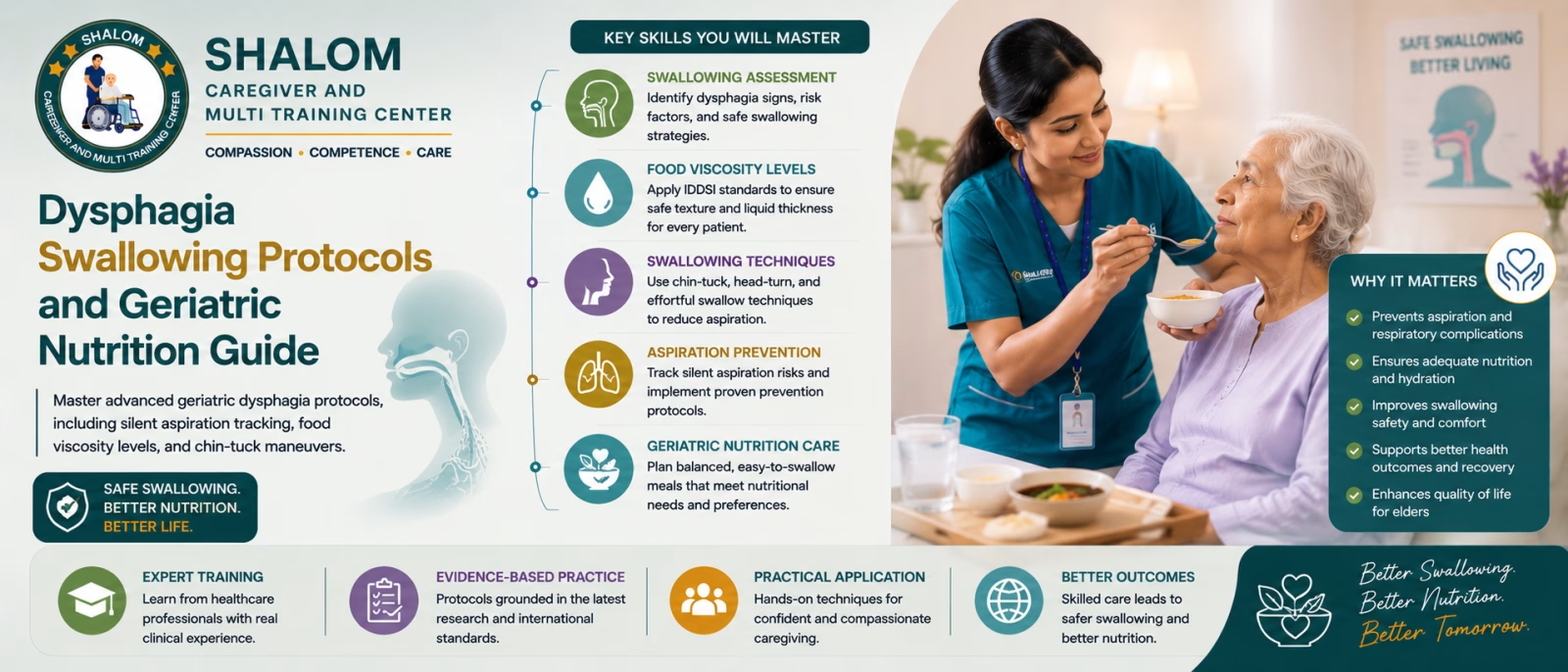
Shoving a spoon of food into the mouth of an older patient who cannot swallow right is an incredibly dangerous task. When a stroke or heavy dementia wipes out the throat reflexes, eating turned into a silent battle for survival. One wrong angle or a rushed gulp of soup sends fluid splashing straight into the breathing tubes. That mistake triggers instant choking or sets off a slow, deadly lung infection called aspiration pneumonia. Stepping clear of these brutal hazards means getting yourself into a recognized care giver course fast. Surviving a tough, hands-on care giver course in nepal is the only way you drill dysphagia safety tricks, liquid thickness scales, and airway alignment physics into your muscle memory before you touch a fragile patient.
Do not assume lunch is going down safely just because the person sitting in front of you is not actively gasping, coughing, or choking. Untrained family helpers make that massive, life-threatening mistake every single day on the shift. When deep nerve damage hits, it completely kills the normal feeling inside the throat pipes. Food drops and liquid streams will slide right past the epiglottis flap and drop deep into the lungs without ever triggering a single protective cough. You have to look past the surface quietness. You have to spy on their face expressions and breath rhythms constantly to catch the silent choking signs before their lungs fill up with fluid.
Spotting the Hidden Signs of Silent Aspiration
When the brain fails to trigger a cough reflex, the body still drops small, subtle physical hints that lunch went down the wrong pipe. You have to study their face expression, skin color, and breathing rhythm continuously during every single bite. Watch for these exact patterns:
Listen to their voice pitch right after they swallow a bite. Ask them to talk to you. If their words sound wet, bubbly, or muddy, stop feeding them instantly. That rattling sound means food or liquid is pooling right on top of their vocal cords because their throat muscles lack the strength to push it into the stomach.
Watch their eyes and cheeks for sudden autonomic system panic. If a resident's eyes suddenly start watering or tears leak out while they are chewing, or if their face turns a sudden flushed red, their internal systems are fighting a breathing blockage. The nerves are panicking even if the throat cannot physically scream or cough to clear the tissue.
Track the throat pumping count. A normal body swallows a bolus of food in one quick movement. If you notice your patient pumping their neck muscles three or four times just to force down one tiny spoonful of puree, their swallowing machinery is failing. Their throat is tiring out, and the next bite will likely go wide into the airway.
Keep a digital pulse oximeter clipped to their finger during the meal. Do not guess. If their oxygen saturation numbers drop down by three or four percent while they are chewing or right after they finish eating, food drops are leaking straight into their lungs and shutting down their normal air exchange pathways.
The Fluid Viscosity Scale: Controlling Fluid Thickness
Giving plain, thin water to an advanced dysphagia patient is like handing them a hazard. Thin liquids move incredibly fast, splashing down the throat before weak muscles have time to close the airway flap. To slow down the fluid speed, assistants learn to mix in exact amounts of commercial starch or gum thickeners, adjusting the drink to match three distinct density scales:
The first tier is nectar-thick consistency. This fluid runs smoothly off a spoon but moves with a slight drag, mimicking the weight of natural apricot juice or buttercream. It slows the fluid velocity down just enough to let patients with early-stage throat weakness control the stream safely without losing the refreshing feel of a drink.
The second tier is honey-thick consistency. When you pour this fluid, it moves in a heavy, slow, sluggish drizzle that mirrors raw honey. It will hold its shape on a spoon for a few seconds before sliding off. This dense weight is required for patients with moderate paralysis, as it forces the tongue and throat walls to exert deep physical pressure to swallow, preventing any stray drops from splashing into the open trachea line.
The third tier is pudding-thick consistency. This fluid does not pour at all. It sits on a spoon in a thick, solid dollop, much like commercial milk pudding or sour cream. You have to feed this level using a spoon rather than a cup. It works well for advanced neurodegenerative cases where the throat muscles need maximum structural bulk to trigger a swallow response safely.
Executing the Chin-Tuck Maneuver and Posture Angles
Banish the recliners and stop feeding patients while they are slouched down in bed. Tilting a patient backward opens their airway wide, creating a straight drop for food to slide directly into the lungs. You must arrange the physical environment with strict geometric angles before any food bowl is opened.
Prop the patient up into a hard, 90-degree sitting position against the pillows. Their head must lean forward with their chin pointing slightly down toward their chest. Tuck the chin low. Doing this physical bend forces the base of the tongue backward, narrows the opening to the windpipe, and opens up the food tube pathway to the stomach. It works like a natural shield over the breathing line, making sure the chewed food slides down the correct pipe.
Drop your own sitting position down low. Sit down on a small stool right in front of the patient's knees, keeping your own eyes well below their chin level. This setup forces them to look down at you while they chew. If you stand over their head, they tilt their neck back to watch the spoon, which stretches the throat anatomy wide open and invites an instant choking disaster. Serve tiny, half-spoon portions. Wait a full fifteen seconds after they finish a swallow before you even think about bringing the next bite to their lips.
Why International Nursing Boards Screen for Dysphagia Management
If you want to use your healthcare training to step into high-paying medical careers across the United Kingdom, Canada, or Japan, your knowledge of nutritional safety will be heavily audited. Foreign healthcare registries carry zero-tolerance policies regarding aspiration errors because aspiration pneumonia is one of the leading causes of preventable deaths in international geriatric wards.
During practical clinical exams like the UK OSCE, examiners watch your preparation routines closely. They check if you verify food thickness charts correctly, monitor your posture adjustments, and track how you evaluate a patient's breathing during a meal. Proving you can run these dysphagia protocols smoothly shows proctors that you are a highly safe, capable care provider, clearing your way to premium international roles.
Locking Down Advanced Clinical Safety Skills in Kathmandu
You cannot learn how to mix thickeners properly or identify silent choking signs by skimming text files online or listening to old lectures. You have to physically practice food preparation, handle real thickener measurements, and use high-fidelity simulation mannequins to understand throat physics under the watchful eye of a mentor.
That absolute commitment to heavy practical run-time is exactly why choosing a high-standard academy remains the smartest step for your future development. Located right at Adwait Marg, Purano Bus Park Road, Kathmandu, our modern facility completely discards old rote-learning styles. We focus our resources on high-fidelity simulation labs where students log their practical clock-hours under the direct watch of registered nursing faculty.
To completely safeguard your hard work from slow, manual verification tracking during international visa processing, every single diploma we print features an advanced, secure QR code for instant worldwide digital verification. This allows foreign embassy staff, international labor boards, and global healthcare registries to scan your certificate from any smartphone and instantly verify your live transcripts and practical lab hours. By learning how to manage complex nutritional limitations cleanly inside a high-compliance facility, you keep your global healthcare career path safe, fast, and completely secure.
Next Steps for Your Professional Career:
- To compare our specialized training paths and discover flexible morning learning cohorts, explore our comprehensive Main Courses Hub.
- Discover the detailed operational curriculum taught in our specialized Practical Based Caregiver Course landing page.
More
Related posts
Training
Oxygen Therapy Management: Non-Invasive Vent Supportive Routines and Flow Rate Controls for Home Caregivers
Read more →
Educational