
Feeding a patient through a nose or stomach tube requires exact steps. We look at checking tube placement, flushing out clogs, and choosing the right bed heights.
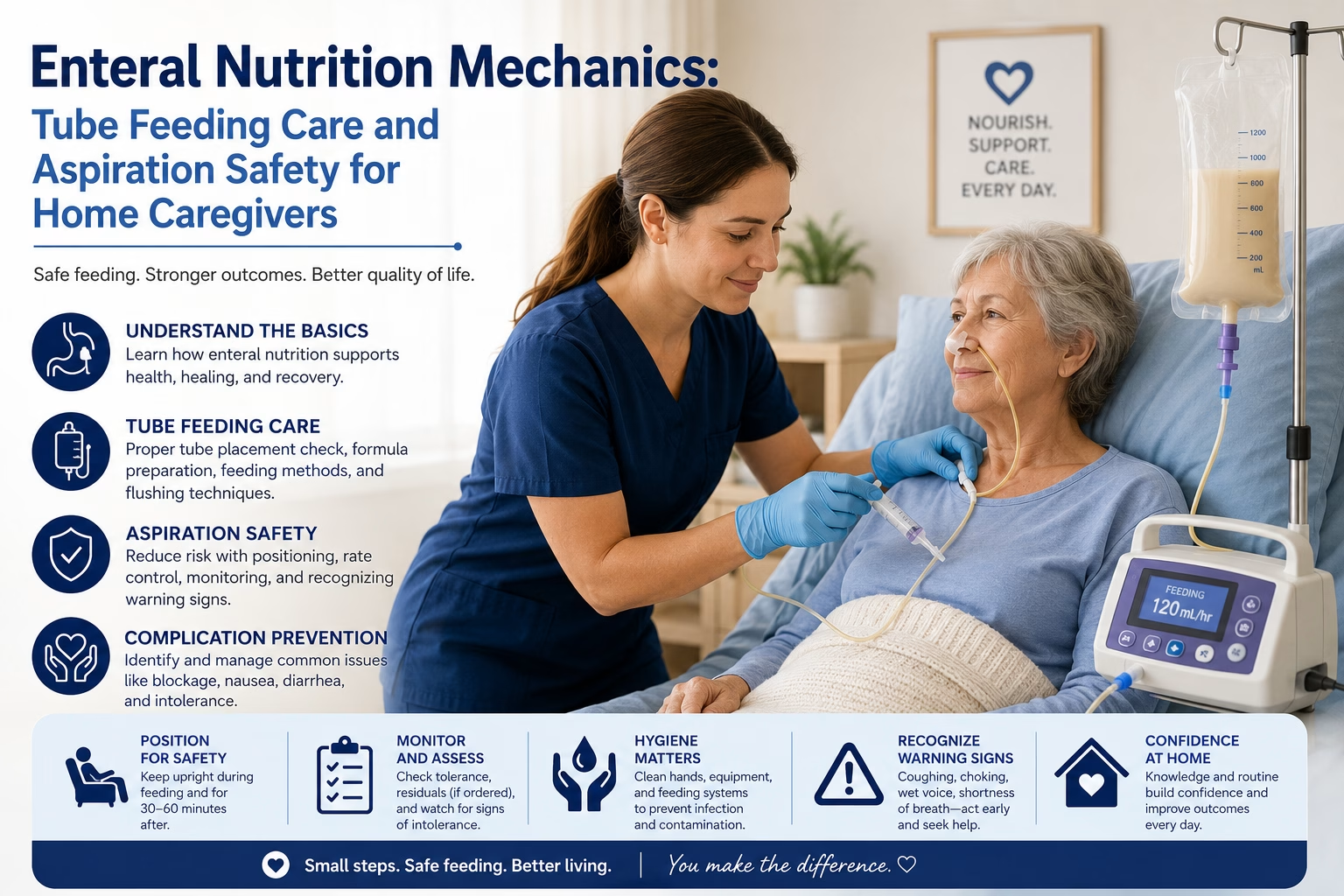
Taking care of a bedbound patient who has to eat through a plastic tube is a huge responsibility. When a stroke, throat cancer, or bad muscle weakness stops a person from swallowing, doctors will run a line down their nose or put one straight into their stomach wall. Working around these clinical setups means you can never just wing it on your shift. Messing up a liquid meal or rushing through the process can push the stomach contents right back up into the windpipe, causing instant choking. Avoiding these scary emergencies means getting a solid practical foundation at a recognized caregiver training center in kathmandu. Getting hands-on practice with actual clinical tools is the smartest way to figure out if the caregiver training price in nepal fits your budget while giving you the real skills to keep a patient safe.
The two main lines you will handle on home care shifts are Nasogastric tubes, which everyone calls an NG or Ryle's tube, and Percutaneous Endoscopic Gastrostomy tubes, known simply as a PEG tube. The NG line goes right through the nose, drops down the throat, and sits inside the stomach pocket. It is skinny and slips out easily if the patient coughs hard or rolls around in bed. The PEG tube is a bit wider and enters straight through the belly skin into the stomach cavity. Both types require clean hands, slow syringe pressure, and constant checking to make sure the liquid food drops into the gut instead of leaking into the lungs.
Verifying Tube Placement and Gastric Residual Values
Never pump liquid nutrition down a tube without checking where the tip sits inside the body first. If an NG line slips upward while a patient sleeps, that plastic tip can end up dangling inside the throat or the windpipe. If you hook up a food bag without looking, you will pump milk straight into their lungs, causing a massive breathing crisis.
First, run a visual marker check. Look closely at the exit point where the tube leaves the nose or skin. Legitimate nurses put a piece of tape or a black ink mark on the plastic line right against the skin surface. If you see that the tape mark has slid two inches away from the nostril, the tube has moved. Do not touch it. Do not feed them. Call your supervisor immediately because the line needs a professional check before any fluid goes down.
Second, pull a check with a big 60ml syringe. Clip it onto the port and pull the plunger back slow. If you see green-brown stomach juices come up, you are in the right spot. Look at the markings on the side of the syringe barrel. If you pull up more than 100ml of leftover food from the previous meal, the stomach is not emptying properly. Push the juices back in slow, close the cap, and wait an hour before you try feeding them again. Adding more milk to a full stomach triggers immediate vomiting and choking.
Syringe Flushing Protocols to Prevent Hard Line Clogs
Liquid feeding blends are packed with heavy proteins and sticky sugars that dry up fast. If you finish a feeding cycle and just walk away without cleaning out the line, that leftover milk turns into a hard, rubbery plug inside the plastic tube. Clearing a bad clog is a nightmare, and if you press too hard on a stuck syringe, you can rupture the tube inside the patient's stomach.
Stop caking up the line by using a clean water flush loop. Fill your 60ml syringe with 30ml of clean, lukewarm drinking water before and after every single feed. Pop the syringe into the port and push the water through using a smooth, pulsing hand motion. Do not slam the plunger down fast. The pulsing water shakes loose any sticky milk bits clinging to the inner plastic walls. If you are crushing pills to put through the tube, dissolve the powder completely in warm water first, and flush the line with 20ml of clean water between each different medication so the powders do not clump together inside the line.
Bed Angles and Posture Rules to Stop Fluid Aspiration
Never ever give tube food to a patient who is lying flat on their back. That is the fastest way to kill someone on a home care shift. When liquid food pumps directly into a flat stomach, the fluid splashes up the esophagus easily like water in a tipped bottle. The patient will breathe the milk mist right into their windpipe without even making a sound.
Before you open the food valve, crank the bed handle up until the patient's torso sits at a clean 45-degree angle. Use firm side pillows to keep their hips from sliding sideways down the mattress sheet. Keep them propped up in this exact position during the entire feeding session. Once the food bag is empty, leave them sitting up at that 45-degree angle for at least one full hour. This gives gravity time to pull the liquid down into the small intestines, keeping their throat clear and safe from sudden acid reflux or silent fluid backflows.
Why Global Healthcare Providers Test Tube Care Capabilities
If your long-term plan is to take your care certifications over to high-paying clinical markets like Japan, the UK, or Israel, your tube care skills will be audited heavily. International nursing registries enforce incredibly strict safety checks on entry-level workers because tube complications lead to major hospital lawsuits and expensive emergency surgeries every year.
During live technical tests, proctors watch how you handle a syringe and look at your spatial awareness. They check if you remember to test the stomach residuals, watch if you set the bed angles correctly, and look at your cleanliness steps with the tube caps. Showing you can run these tube steps smoothly proves you can handle complex home ICU placements safely, moving your file straight past basic helper applications.
Mastering Technical Home ICU Procedures in Kathmandu
You cannot pick up the finger coordination needed for syringe flushes or tube placement checks by skimming an old textbook or looking at slides on a laptop. You have to physically hold the medical lines, practice the plunger pull, mix the feeds, and work on real clinical dummies until the movements feel completely natural.
That absolute focus on active lab hours is why picking a high-standard training center is the best step for your future. Located right at Adwait Marg, Purano Bus Park Road, Kathmandu, our modern facility completely throws out outdated lecture methods. We build our courses around high-fidelity simulation labs where students log their practical runtime under the direct watch of registered nursing faculty.
Don't worry about manual verification checks slowing down your international visa paperwork either. Foreign embassy staff, global healthcare registries, and international labor recruiters can quickly scan the secure QR code on your certificate with a smartphone camera. This quick scan pulls up your live transcripts and confirmed lab hours instantly on their screen. By learning how to handle these technical home ICU needs inside a high-standard facility, you keep your local and global career path fast, transparent, and completely secure.
Next Steps for Your Professional Career:
- To compare our specialized training paths and discover flexible morning learning cohorts, explore our comprehensive Main Courses Hub.
- Discover the detailed operational curriculum taught in our specialized Practical Based Caregiver Course landing page.
More
Related posts
Training
Oxygen Therapy Management: Non-Invasive Vent Supportive Routines and Flow Rate Controls for Home Caregivers
Read more →
Educational