
Caring for an older adult with failing eyes or ears requires patience and basic changes around the home. We look at simple communication tricks and walking setups.
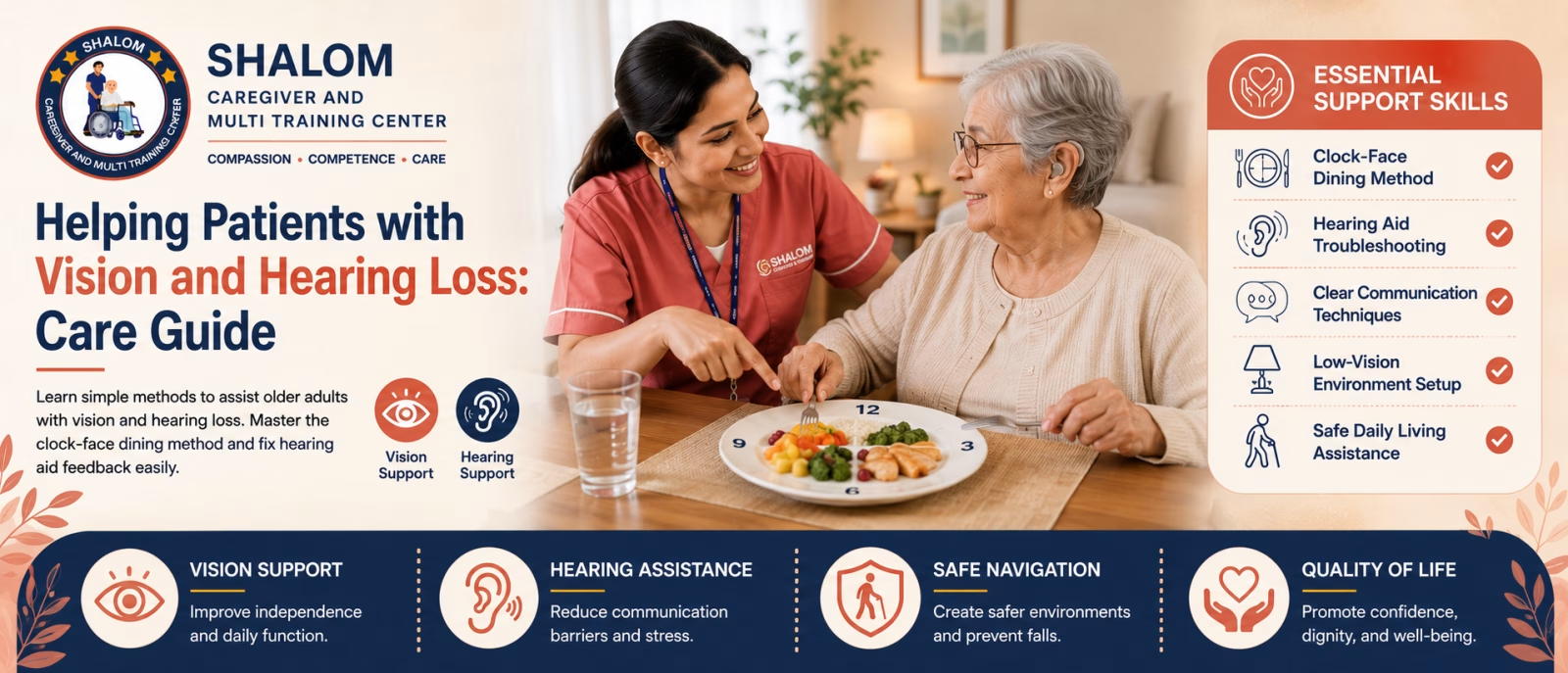
Caring for an older person who can barely see or hear takes a lot of regular practice and clear communication changes. When advanced age or medical issues damage a senior's eyes and ears, their world becomes a very confusing and scary place. Simple things like walking across a carpeted living room or listening to a family conversation turn into massive, frustrating tasks that can cause them to pull away from social life completely. Avoiding these heavy daily barriers means getting yourself into a structured caregiver training course as soon as you can. If you want a fast way to learn blind walking guides, quick hearing aid fixes, and safe room setups before your first home shift, look for a registered caregiver training center near me and get your practical skills down first.
Do not sneak up behind a patient who has bad eyes or ears. Also, stop shouting across the living room to get them to listen. It is a bad habit that untrained family members do all the time on shifts. If an older adult has cloudy cataracts, bad glaucoma, or deep nerve deafness, any sudden shadow or a random loud noise scares them half to death. They will throw their hands up or get angry fast. Walk up slow. Come right from the front so they can catch your outline, and use a low, quiet voice to keep things calm.
The Clock-Face Method for Independent Dining
When someone loses their central vision, dinner turns into a disaster. They cannot see the items on their plate. They poke around blindly with a fork, knock water cups over, spill curry on the table, and feel bad in front of everyone. Do not just give up and feed them with a spoon like a toddler. That destroys their adult self-respect and kills their confidence.
Instead, use the clock layout on the dish to help them eat on their own. Tell them to picture the plate as a big wall clock. Put the rice or roti at the bottom at 6 o'clock. Place vegetables on the left at 9 o'clock, and pile the meat or lentils on the right at 3 o'clock. Hand them the spoon and say: chicken is at 3, rice is at 6. This simple talk lets them move their hand right to the food without making a mess on the table cloth.
Fixing Digital Hearing Aid Feedback Loops
Dealing with hearing aids will drive you crazy if you do not know how the small parts work. The most common headache you will face on a shift is a loud, high-pitched whistling noise screaming straight out of the patient's ear piece. This whistling is an acoustic feedback loop. It hurts the older adult's ear, makes them angry, and forces them to rip the device out and throw it on the table.
If the machine starts squealing, look at the ear mold first. Most of the time, the whistling happens because the soft plastic piece is loose or crooked in the ear canal. Sound leaks out of the gap, hits the microphone, and loops. Roll the volume wheel down. Put a tiny dab of water-based lubricant on the edge and slide the piece straight into the ear until the seal feels tight. Still whistling? Grab a flashlight and look inside the ear hole. A big chunk of hard wax will bounce sound right back into the machine microphone.
Guiding Patio and Home Ambulation Safely
Walking around a patio or down a narrow hallway is dangerous when you cannot see. Never grab a blind person by the wrist or pull them along from behind. Moving them like that leaves them clueless about floor bumps, steps, or sharp wall corners. It leads to bad falls and ruins their trust in you.
Always use the standard human guide technique. Stand half a step ahead of the patient and touch the back of their hand gently. Let them grip your arm firmly right above your elbow crease. Their thumb should sit on the outside, and their fingers should wrap inside. As you walk slowly, your shoulder movements will tell their body naturally when you are turning, stopping, or stepping up. When you reach a narrow doorway or a tight patio gate, move your guiding arm back behind your spine. The patient will naturally feel that move and step directly behind you, following your footsteps safely without hitting the frame.
Why Global Agencies Check Sensory Care Methods
If you want to use your vocational training to land high-paying health jobs in global markets like the UK, Japan, or Canada, your sensory care skills will be checked during your exams. International nursing homes care deeply about patient comfort, independent living metrics, and fall prevention records.
During live practical exams, proctors watch your communication style and physical setups closely. They check if you use the clock-face system for blind patients, track how you insert a hearing device, and check your safety stance during walking guides. Showing you can run these simple everyday steps easily proves to foreign evaluators that you can manage a ward floor safely, clearing your application path for great international placements.
Building Practical Care Skills in Kathmandu Valley
You cannot learn how to troubleshoot sensitive electronic hearing aids or master blind walking techniques by reading text notes off a phone screen or listening to broad lectures. You must physically practice the arm-grips, handle real medical devices, and run live guide drills inside a real room setup under the eye of an expert.
That absolute focus on real lab practice is why picking a high-quality institute is the best step for your future. Located right at Adwait Marg, Purano Bus Park Road, Kathmandu, our modern facility discards old-school rote learning. We focus our training programs around active simulation labs where students log true practical clock-hours under the direct watch of registered nursing faculty.
Don't worry about slow manual paperwork checks slowing down your international visa application files either. Foreign embassy personnel, overseas health boards, and international labor recruiters can easily scan the secure QR code on your certificate with a smartphone camera. This quick scan pulls up your live, authenticated transcripts and verified lab hours instantly on their screen. By learning how to manage these basic daily needs cleanly inside a high-standard facility, you keep your local and global career path fast, transparent, and completely secure.
Next Steps for Your Professional Career:
- To compare our specialized training paths and discover flexible morning learning cohorts, explore our comprehensive Main Courses Hub.
- Discover the detailed operational curriculum taught in our specialized Practical Based Caregiver Course landing page.
More
Related posts
Training
Oxygen Therapy Management: Non-Invasive Vent Supportive Routines and Flow Rate Controls for Home Caregivers
Read more →
Educational