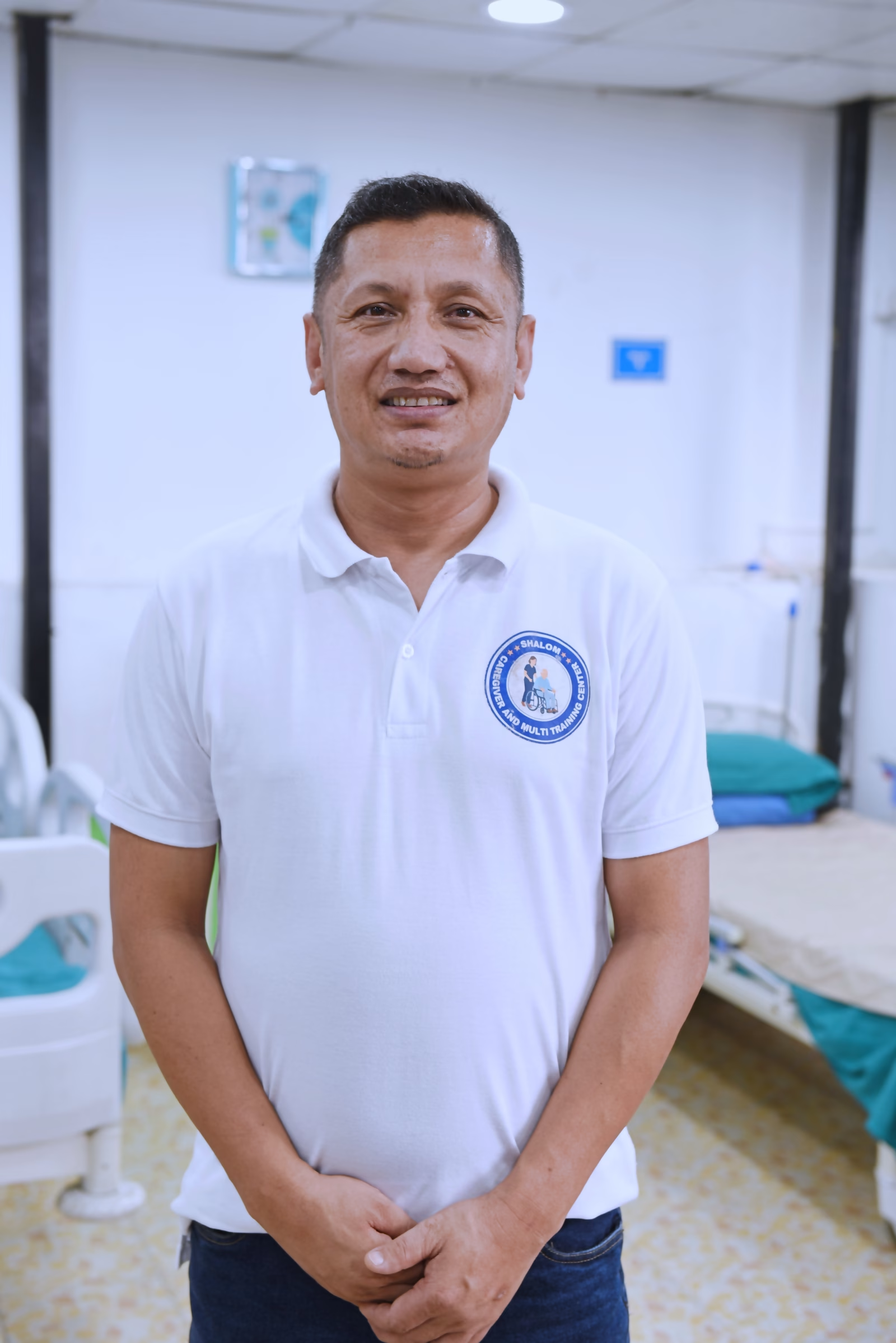
The demand for compassionate, skilled caregivers is growing rapidly. Discover affordable courses that equip you to succeed.

Quality caregiver training is doing something quietly remarkable across Kathmandu: it's giving people a livelihood, and it's giving families peace of mind. Behind every certificate we hand out is a story — of a young woman supporting her parents, of a returnee worker building a new career, of a household that finally has the right help for an elderly relative.
A growing need in our city
Kathmandu's families are changing. Adult children are moving abroad for work, elderly parents are living longer, and chronic conditions like diabetes and hypertension need daily attention. The result: more homes than ever need trained, dependable caregivers — and the supply hasn't caught up.
What training really changes
For the caregiver
- A real income — caregiving roles in Kathmandu, the Gulf, Israel, and Japan pay a steady, respectable wage
- Confidence — handling a stroke patient or a wound dressing feels very different when you've practised it
- Mobility — a recognised certificate opens doors at home and overseas
- Dignity at work — trained caregivers are treated as professionals, not just helpers
For the family
- Safer transfers and fewer falls
- Better medication routines
- Early warning when something is wrong
- A calmer home — for both the patient and everyone around them
How we teach in Kathmandu
Our classes deliberately blend theory and bedside practice. Mornings might cover the anatomy behind safe lifting; afternoons put students next to real beds, real equipment, and real scenarios. We keep batches small so every learner gets feedback by name.
We also draw on local context: our trainers understand Nepali household layouts, joint-family dynamics, common medication brands, and the realistic equipment a Kathmandu home actually has. That makes graduates effective from day one, not just on paper.
Pathways that fit different lives
- Short practical course — for fast entry into home-care work
- Nursing Skills Level 1 – 4 — for those who want to build deeper clinical confidence
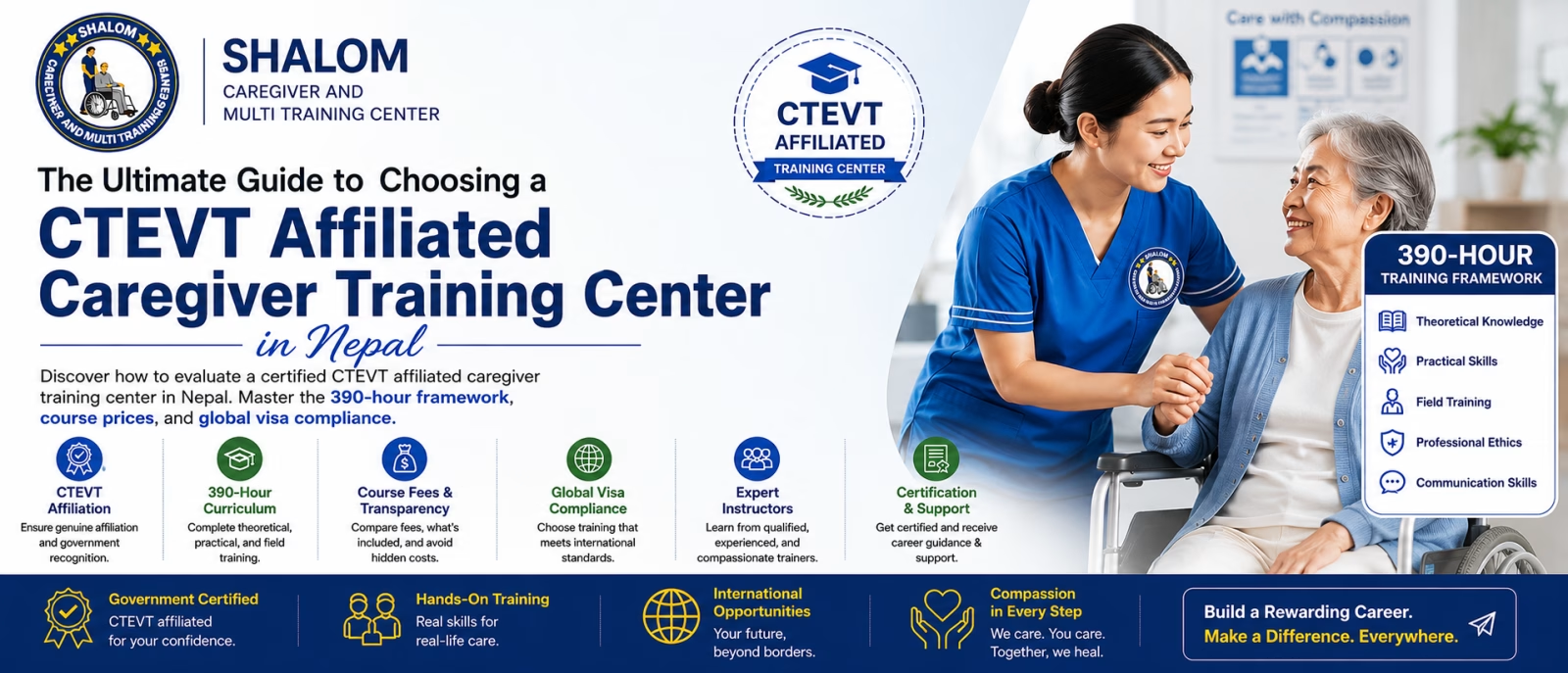
- CTEVT 390 Hours — the government-recognised credential, ideal for overseas placement
- Online programs — for learners outside the valley or those balancing other work
"A trained caregiver doesn't just take care of a body. They look after a person — and they hold a whole family together."
What's next for our community
We're working with local clinics and aged-care homes to expand placement opportunities, and we're running short awareness sessions in nearby wards so families know what a trained caregiver can — and shouldn't have to — do. The vision is simple: every household in Kathmandu that needs trustworthy care should be able to find it, and every Nepali who wants to build a caregiving career should have a clear path to do so.
If that vision speaks to you — as a future learner, a family looking for help, or a partner organisation — we'd love to hear from you.
More
Related posts
Training
Oxygen Therapy Management: Non-Invasive Vent Supportive Routines and Flow Rate Controls for Home Caregivers
Read more →
Educational